When people think of Saudi Arabia, the sprawling urban centers of Riyadh and Jeddah often come to mind. But beyond these vibrant metropolises lies a vast kingdom filled with ancient heritage, untouched nature, and cultural richness waiting to be explored.
As Saudi Arabia continues to diversify its economy under Vision 2030, tourism has become a cornerstone of development. In 2023, over 27 million international tourists visited the country, according to the Saudi Ministry of Tourism. But most travelers still focus on the well-trodden paths. This blog is for the curious explorer — ready to venture into Saudi Arabia’s hidden gems.
1. AlUla – The Open-Air Museum of the Ancient World
Location: Northwestern Saudi Arabia
UNESCO Status: Hegra (Madain Salih) — Saudi Arabia’s first UNESCO World Heritage Site
Why It’s Special:
AlUla is a breathtaking region home to the ancient Nabatean city of Hegra, often dubbed the “sister city” of Petra in Jordan. Carved into sandstone cliffs, the 111 well-preserved tombs of Hegra date back to the 1st century CE.
Example:
The Maraya Concert Hall, a 9,740-square-meter mirrored structure, holds the Guinness World Record for the largest mirrored building and has hosted artists like Andrea Bocelli and Alicia Keys.
Data Point:
In 2023, AlUla attracted over 250,000 visitors, up 47% from the previous year.
2. Abha – The City in the Clouds
Location: Asir Province, southwestern Saudi Arabia
Elevation: Over 2,200 meters (7,200 feet)
Why It’s Special:
Nestled in the Asir Mountains, Abha boasts cool weather year-round — a welcome escape from the desert heat. With lush valleys, cable cars, and traditional Asiri architecture, the city offers a unique blend of natural and cultural tourism.
Example:
Visit the Al-Soudah Park, where juniper-covered hills and misty mountain trails feel more Swiss Alps than Arabian Peninsula.
Data Point:
According to the Saudi Tourism Authority, domestic tourism in Asir surged 35% in summer 2023, fueled by the “Saudi Summer” campaign.
3. Al-Hofuf – The Oasis of Civilizations
Location: Eastern Province
Feature: One of the largest natural oases in the world
Why It’s Special:
Part of the Al-Ahsa Oasis, Al-Hofuf is home to 2.5 million date palms and ancient irrigation systems. It was declared a UNESCO World Heritage Site in 2018 for its cultural landscape and sustainable farming practices that date back 5,000 years.
Example:
Explore the Qaisariah Souq, one of the oldest markets in the kingdom, and Al-Qarah Mountain, with naturally air-conditioned caves perfect for summer treks.
4. Najran – A Crossroads of Cultures
Location: Southern border near Yemen
Cultural Heritage: Yemeni-influenced architecture and ancient ruins
Why It’s Special:
Najran offers a rare window into Saudi Arabia’s tribal diversity. The city boasts unique mud-brick forts, palm-fringed wadis, and the ancient ruins of Al-Ukhdood, mentioned in the Qur’an and known for the tragic story of persecuted Christians in the 6th century.
Example:
Stay in a traditional Najrani palace-style guesthouse and enjoy local dishes like asida and masoub.
Data Point:
Najran is part of the government’s regional tourism development plan, aiming to grow visitor numbers by 200% by 2030.
5. Ha’il – Gateway to the Desert Heartland
Location: North-central Saudi Arabia
Heritage: Ancient rock art and desert folklore
Why It’s Special:
Ha’il is known for its Jubbah Rock Art, a UNESCO World Heritage site dating back 10,000 years. These petroglyphs depict animals, humans, and hunting scenes, offering insight into early desert life.
Example:
Attend the Ha’il International Rally, part of the FIA Cross-Country Bajas World Cup, blending motorsport with Bedouin hospitality.
Data Point:
The Ha’il Rally attracts over 10,000 visitors annually, both domestic and international.
6. Umluj – The Saudi Maldives
Location: Tabuk Province, on the Red Sea
Unique Feature: Over 100 pristine islands
Why It’s Special:
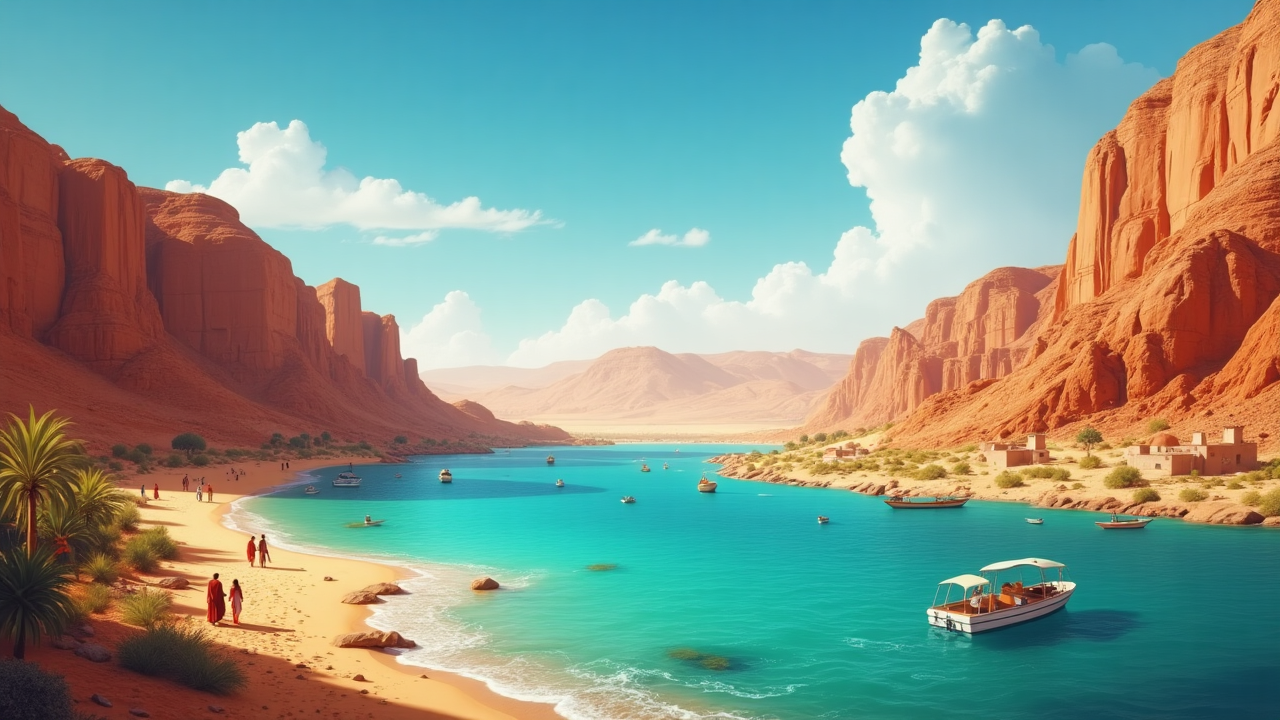
Umluj’s crystal-clear turquoise waters, coral reefs, and white-sand beaches have earned it the nickname “Saudi Arabia’s Maldives.” It’s a budding hotspot for diving, snorkeling, and island-hopping.
Example:
Take a boat tour to Hibara Island for a day of marine bliss and dolphin sightings.
Data Point:
As part of The Red Sea Project, Umluj is included in a $50 billion giga-project aiming to attract one million tourists annually by 2030.
Conclusion: A Kingdom Ready for Discovery
Saudi Arabia is more than its iconic cities. From the mystique of AlUla to the cool peaks of Abha, the kingdom is filled with destinations that tell stories of ancient civilizations, natural wonders, and vibrant local cultures.
As the country opens its doors wider to tourism, these hidden gems offer travelers an opportunity to witness a Saudi Arabia that is rich, diverse, and incredibly underrated.