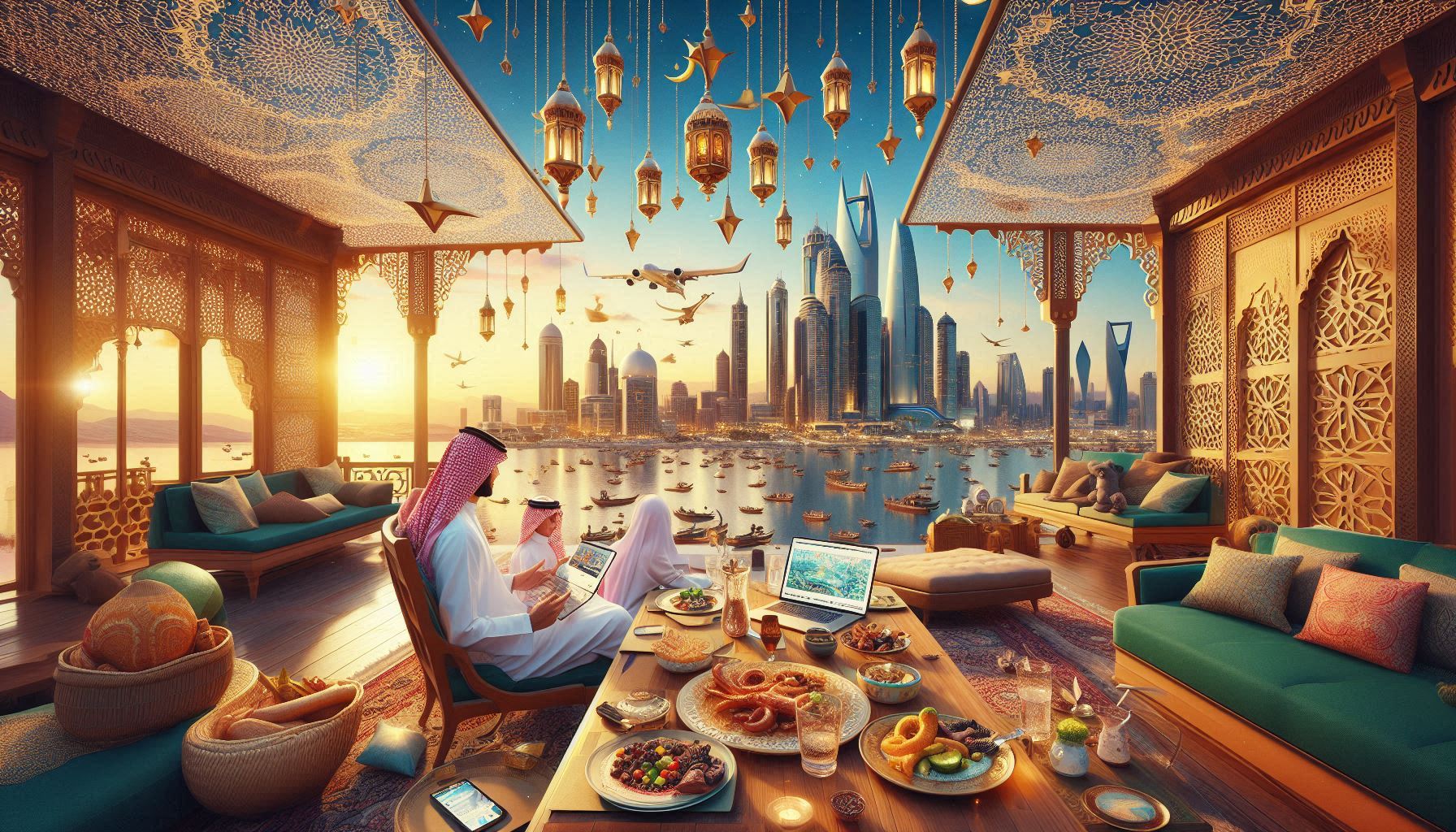
Eid in Saudi Arabia is not just a celebration — it’s a rich tapestry of tradition, faith, hospitality, and cultural identity. For Muslims around the world, Eid marks the end of sacred periods like Ramadan (Eid al-Fitr) or the Hajj pilgrimage (Eid al-Adha), but in the Kingdom of Saudi Arabia, these occasions take on a grand and unique dimension.
Whether you’re a local, an expat, or a traveler, experiencing Eid firsthand in Saudi Arabia is a deeply moving and culturally immersive experience.
What Is Eid All About?
There are two main Eids in the Islamic calendar:
- Eid al-Fitr – Celebrated after the holy month of Ramadan, a month of fasting from dawn to dusk.
- Eid al-Adha – Coincides with Hajj, the pilgrimage to Mecca, and commemorates Prophet Ibrahim’s willingness to sacrifice his son as an act of obedience to God.
Both Eids are public holidays in Saudi Arabia, and their significance is deeply embedded in everyday life during the festive periods.
Public Celebrations and Holidays
Saudi Arabia grants a generous number of days off for Eid:
- Eid al-Fitr: Usually 10 days of public holiday.
- Eid al-Adha: Around 10-12 days, depending on moon sighting and government announcements.
📊 Data Insight: According to the Saudi Ministry of Human Resources and Social Development, in 2024, more than 20 million people in the Kingdom participated in Eid-related festivities and events.
Cultural Traditions and Practices
1. The Takbeerat and Eid Prayers
The day begins with early morning Eid prayers in mosques and open grounds. The Takbeerat — the special chants praising Allah — echo from mosques starting at dawn.
🕌 Example: In Riyadh, thousands gather at King Khalid Grand Mosque, while in Mecca, the Grand Mosque is filled with worshippers from around the world.
2. The Joy of Giving (Zakat al-Fitr)
Before Eid al-Fitr, Muslims are required to donate Zakat al-Fitr, a form of alms to the needy. It reinforces social solidarity.
💰 Average Contribution: In 2023, it was set at 25 SAR ($6.60) per person. With over 34 million people in the Kingdom, the potential collection exceeds 850 million SAR (~$226 million).
3. Family Gatherings and Traditional Food
After prayers, families come together to exchange greetings (“Eid Mubarak”), share meals, and visit elders.
Popular Dishes Include:
- Kabsa: Rice and meat dish seasoned with cardamom, cloves, and cinnamon.
- Harees: Wheat and meat porridge.
- Ma’amoul: Date-filled cookies.
- Arabic coffee and dates: Served to guests as a sign of hospitality.
🍽️ Example: In Jeddah, many households prepare feasts that can include 10+ traditional dishes and welcome dozens of relatives and neighbors.
4. Gift-Giving and Eidiya
Children especially look forward to receiving Eidiya, small envelopes of money or gifts from family members.
🎁 In 2023, the average amount of Eidiya per child ranged between 50–500 SAR ($13–133), depending on family customs.
City-Wide Events and Attractions
The Saudi General Entertainment Authority (GEA) organizes numerous cultural and entertainment events during Eid:
- Fireworks Displays: Held in major cities like Riyadh, Dammam, and Jeddah.
- Traditional Music and Dance Performances: Including Ardah, the national sword dance.
- Carnivals and Family Festivals: Featuring food trucks, concerts, light shows, and crafts.
🎆 In 2024, Riyadh’s Eid fireworks show at King Abdullah Park attracted over 150,000 spectators in one evening.
Eid and Saudi Vision 2030
Saudi Arabia is actively promoting its cultural heritage as part of Vision 2030. Eid celebrations now include:
- Tourist-focused events.
- Social media campaigns to promote cultural understanding.
- Art exhibitions and heritage markets.
📈 In 2023, over 1.3 million foreign visitors experienced Eid in Saudi Arabia, a 30% increase compared to 2022, driven by tourism reforms.
Personal Takeaway
Living or visiting Saudi Arabia during Eid offers a deeply meaningful experience. From the soulful morning prayers to the warmth of communal meals and the joy in children’s laughter, it’s a reminder of the Kingdom’s deep-rooted values of faith, family, and generosity.
Final Thoughts
Eid in Saudi Arabia is more than a holiday — it’s a celebration of culture, unity, and spirituality on a national scale. Whether you’re watching a traditional sword dance, sharing kabsa with locals, or participating in charity, Eid in the Kingdom is an unforgettable experience that reflects the evolving yet grounded spirit of Saudi society.